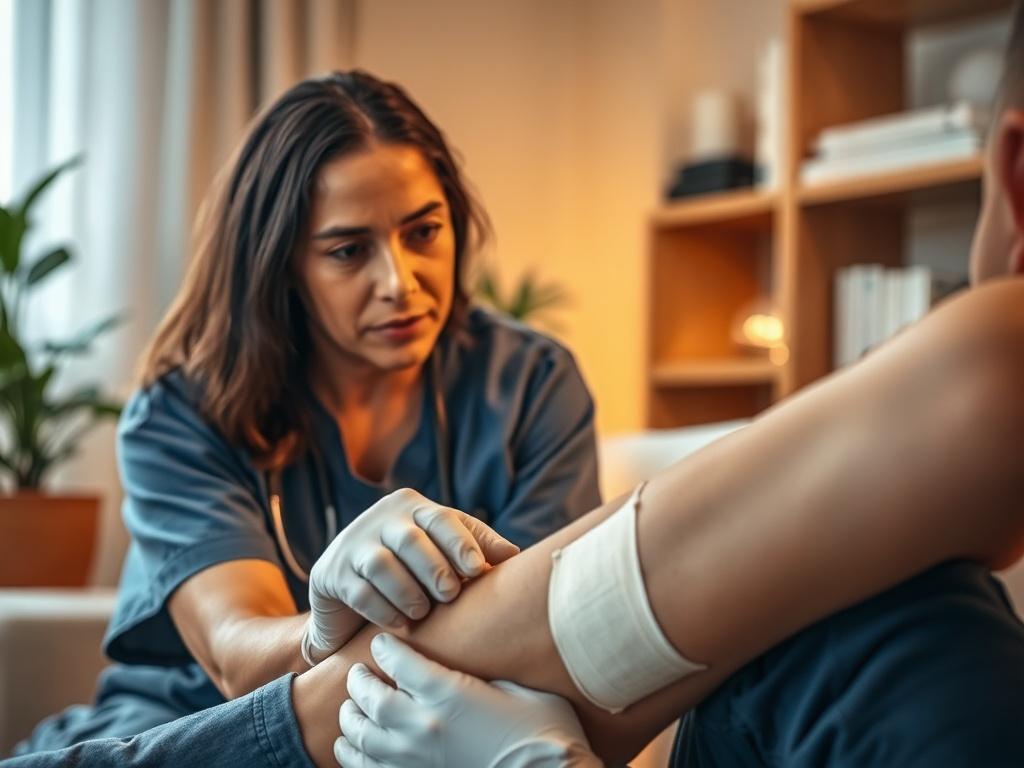
Wound healing is more than just dressing changes and medical appointments. It’s a daily process influenced by the patient’s environment, routine, and support system. While clinics provide essential care and monitoring, they only capture a brief moment in time. That limited view can miss the everyday risks that quietly sabotage healing.
Mobile wound care specialists bring care directly into the home, where healing truly happens. This unique setting allows them to identify small but significant issues that clinics often overlook—issues that can turn a week of progress into a setback.
In a clinic, the focus is primarily on the wound itself. But in the home, the wound is just one part of a larger picture. Mobile wound care specialists can see how factors like lighting, cleanliness, and household layout affect recovery.
Poor lighting can make it difficult for patients to clean and dress wounds properly. Clutter or uneven flooring increases fall risk, which can lead to new injuries or wound reopening. Pets, dust, or unsanitary surfaces can introduce bacteria that interfere with healing.
These environmental risks might seem minor, but they can drastically slow recovery or cause infections. By seeing the whole living space, mobile specialists can recommend practical adjustments that support healing and reduce complications.
A wound can’t heal if a patient is constantly at risk of reinjury. In the home, mobility limitations and unsafe conditions can be significant barriers.
Mobile wound care specialists observe how patients move through their homes, use mobility aids, and manage daily tasks. They often notice issues like:
These issues can directly impact wound healing, especially for patients with pressure injuries or post-surgical wounds. Addressing them early helps prevent setbacks and supports long-term recovery.
Clinic visits are typically scheduled once a week or less. That means much of a patient’s healing journey occurs without professional supervision. Mobile wound care specialists can observe daily habits that influence outcomes, such as:
Small mistakes in dressing technique or hygiene can lead to infection, delayed healing, or wound breakdown. In-home care allows specialists to educate patients and caregivers in real time, reinforcing best practices and correcting mistakes before they become problems.
Wound healing is heavily influenced by nutrition and hydration, yet these factors are often overlooked in clinical settings. Mobile wound care specialists can assess whether patients have access to proper nutrition, hydration, and support systems at home.
They may identify issues such as:
These issues can directly affect healing speed and immune response. By identifying them early, mobile specialists can coordinate with nutritionists or caregivers to improve recovery outcomes.
Every wound is unique, and so is every patient’s living situation. Mobile wound care specialists create personalized care plans based on the patient’s home environment and lifestyle. This individualized approach is essential because healing doesn’t happen in a clinic—it happens in daily life.
Specialists can tailor recommendations that fit the patient’s reality, including:
A personalized plan improves compliance and reduces the risk of complications, making healing more efficient and sustainable.
Mobile wound care offers advantages that traditional clinic-based care cannot match. By treating patients where they live, specialists can:
For patients with chronic wounds, post-surgical recovery needs, or mobility limitations, in-home care can make the difference between prolonged treatment and real progress.
At SknFx, our mobile wound care specialists provide compassionate, professional wound care in the comfort of your home. We focus on identifying the hidden factors that can disrupt healing and creating tailored treatment plans that support long-term recovery. Whether you’re managing a chronic wound, post-surgical healing, or pressure injuries, SknFx is here to help you every step of the way.
If you or a loved one is dealing with a wound that won’t heal, contact SknFx today to learn how our mobile wound care services can support your recovery and improve outcomes.